1
/
of
1
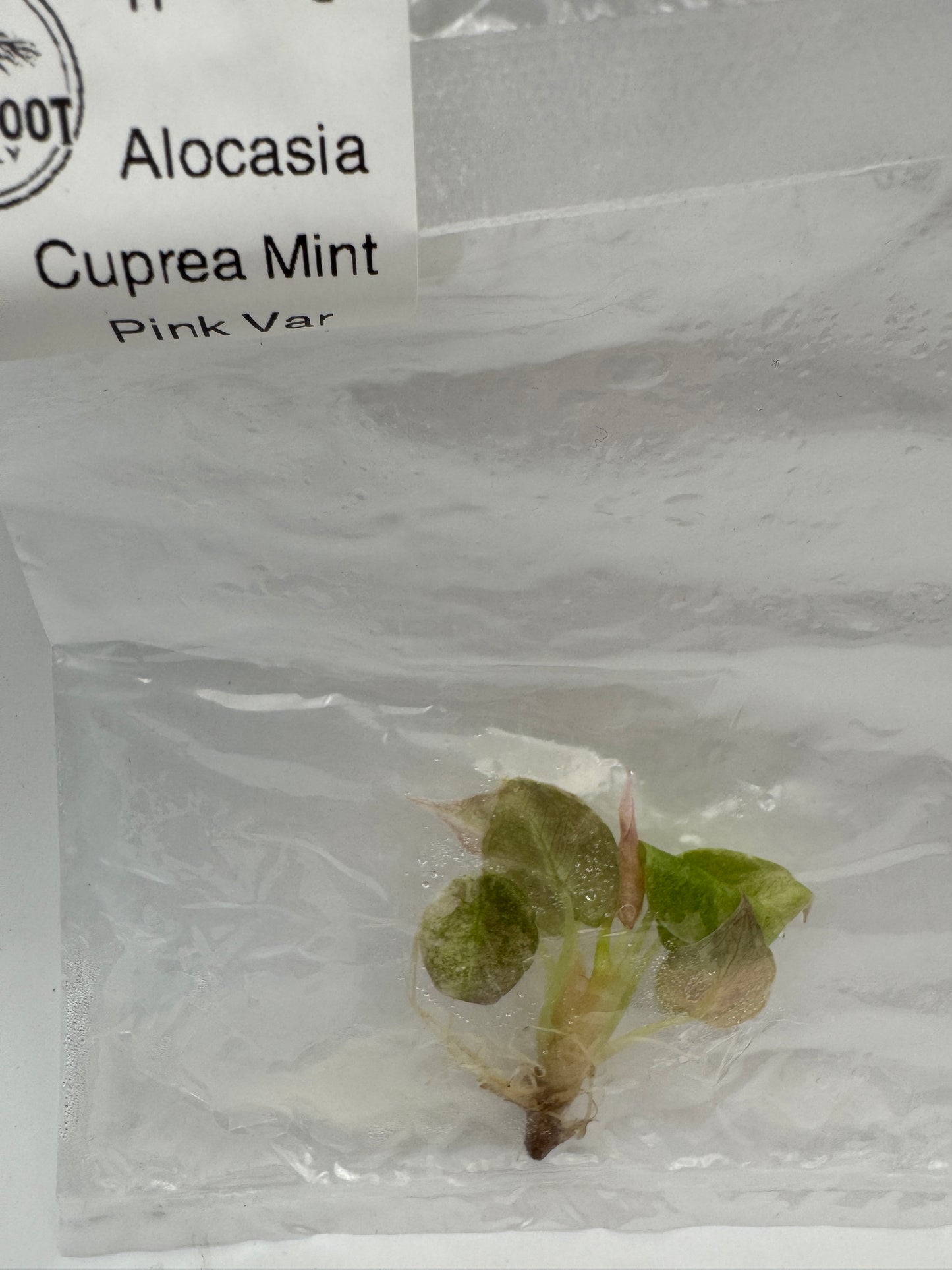
Alocasia Pink Mint Cuprea Tissue Culture-Growers Choice
Alocasia Pink Mint Cuprea Tissue Culture-Growers Choice
Regular price
$70.00 USD
Regular price
Sale price
$70.00 USD
Couldn't load pickup availability
🌿 Alocasia "Pink Mint Cuprea"
🍃 Leaves
- Shape: Broad to slightly elongated shield-shaped leaves with a subtle point at the tip — more structured than standard cuprea forms, with a gently cupped surface
- Variegation: Highly ornamental multitone coloration combining copper, mint, and pink expression — metallic copper-bronze base sheen across mature leaves, soft mint green highlights or overlays often appearing in patches or gradients, distinct pink blush tones usually on new growth or along veins, with some leaves showing a tri-tone blend where pink, mint, and copper transition smoothly
- Derived from the metallic, reflective foliage of Alocasia cuprea — unusual mix of warm metallic copper with cool mint and soft pink accents; color expression can shift significantly depending on light angle and maturity, with new leaves often the most colorful as tones settle when they harden
- Texture: Thick, leathery leaves with a reflective, almost lacquered surface — slightly textured venation gives a subtle embossed effect
🌱 Growth Habit
- Compact, upright rhizomatous Alocasia — does not vine; forms a tight, architectural clump
- Produces leaves sequentially from a central rhizome; moderate growth rate under stable indoor conditions
- Each new leaf may show different intensity of pink or mint expression
- Mature plants develop larger, more structured leaves with stronger copper sheen and more defined venation — more consistent leaf shape, though coloration remains variable
🌡️ Care Guide
☀️ Light
- Bright, indirect light preferred
- Enhances copper metallic sheen and supports pink and mint color expression
- Too little light → duller green/copper tones and reduced pink and mint contrast
💧 Water
- Keep soil lightly moist but never soggy — water when top layer begins to dry
- Use an airy, well-draining aroid mix with consistent moisture balance
- Avoid overwatering (high risk of rhizome rot) and allowing soil to fully dry for extended periods
Share